Do This ONE Thing to Improve Your Marriage (3 Minute Read)
Daniel Crosby • November 21, 2022

Every car needs maintenance. Even a brand-new car that still has that great smell needs the oil changed and the tires rotated every so often. Being intentional about car maintenance keeps that car running great for many years to come.


But what about our marriage? Life gets busy and we often don’t do that same intentional maintenance to keep our marriage running smoothly.


The MOST important regular maintenance to do on your marriage is spending quality time together.


Therefore, continuing to date your spouse is key. I often tell couples with kids that you are certainly Mom and Dad now that you have kids. You’re also Husband and Wife and run the “family business” together. The role we often let fall by the wayside is continuing that Boyfriend and Girlfriend relationship even after years of marriage and parenting kids.


You need new adventures together.


I define a date as a pre-planned time that is intentionally set aside to do an activity together. This is NOT a date: “Hey, I’m starving. Want to grab a burger on the way home?”


I challenge couples to plan 10 dates per year, one each month. Each spouse should pick 5 activities (2 hours) that they would like to do with their spouse. Write your activities down on strips of paper and do a drawing on the first day of the month of what your date activity will be that month.


The other 2 months will be your anniversary month and 6 months from your anniversary month. Those months’ dates will consist of a short overnight activity out of town. Go within a day’s drive and see some new sights. It doesn’t have to break the bank. Go to Chattanooga to the TN Aquarium. Go to Memphis and eat BBQ. Go to Gatlinburg and walk the strip.


Here are some quick date ideas to get you started:

1.    Have dinner at a restaurant in The Avenue that neither of you have tried yet. Follow that up with some good old-fashioned bowling at LTA or Strike and Spare.

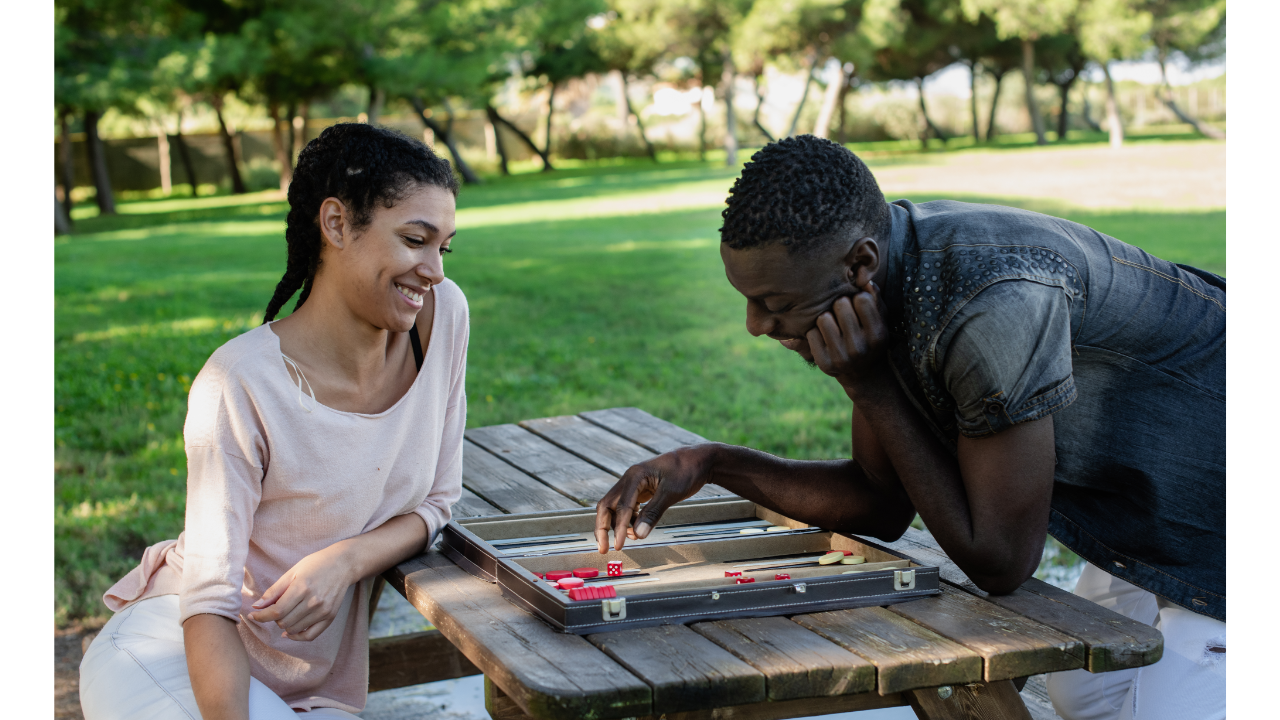
2.    Grab a cup of coffee at Joanie’s, Brass Horn, or Just Love and bring a pack of Uno cards. The best out of 5 games wins bragging rights.

3.    Grab a burger at Busters or Jack Browns and then exercise your inner lumberjack at one of the axe throwing places.

4.    Get a healthy smoothie at Vibe Nutrition or a bowl at Boro Bowls or The Boro Juice Bar on a Saturday morning and go for a walk on the greenway.


Send me your ideas of what you and your spouse love to do for dates.

By Daniel Crosby March 24, 2026
Level 5: Deep Trust Deep trust isn’t blind. It’s not naïve. And it’s not “forgive and forget.” It is earned. At this level, the betrayed partner can say, “I trust your character and integrity not because of constant proof, but because of who you’ve shown yourself to be over time.” This trust isn’t rooted in wishes or fantasy. It is rooted in history, consistency, repair, and lived experience. For the betrayed partner, trust isn’t just something you give. It’s something you choose with wisdom, boundaries, and self-respect. This level doesn’t mean you stop paying attention. It means you stop living in fear. You still speak up when something feels off, still honor your voice, but you no longer carry constant suspicion in your body. It’s not perfection. It is maturity. And it’s not automatic. It is maintained and practiced. For the partner who caused the harm: Live daily with integrity. Faithfulness is who you are, not just what you do when watched. Keep nurturing trust even when things feel good. Don’t coast. For the betrayed partner: Choose trust with wisdom staying open while honoring your boundaries, voice, and self-respect. Speak up early when something feels off instead of stuffing resentment.
By Daniel Crosby March 17, 2026
Level 4: Inner Trust At this level, something important shifts. The betrayed partner begins to feel steadier not just because of their partner’s behavior, but because of their own inner self confidence. You might still say, “I want honesty. I want consistency.” But now you can also say, “I can calm myself. I can reality-check my fears. I don’t spiral the way I used to.” This doesn’t mean triggers disappear. it means they don’t control you anymore. Trust is no longer something you are desperately reaching for. It is something you are slowly standing on. For the partner who caused the harm, this stage calls for continued accountability not because you’re being monitored, but because reliability has become who you are. You don’t wait to be asked. You lead with consistently and freely. For the betrayed partner, this stage invites restraint rather than repression; but use wisdom. Instead of reopening old investigations every time fear arises, you begin asking: “Is this a current threat or an old wound reacting?” Inner trust grows when you learn to distinguish the two. This level represents a powerful turning point: trust becomes something you participate in — not something you beg for or police. For the partner who caused the harm: Keep being accountable without waiting to be asked. Prove reliability over time. Let consistency become your default gift to your partner not your response to a crisis. For the betrayed partner: Practice calming yourself when fears arise and reality-check triggers against the consistency you’ve seen over time. Resist reopening old investigations unless new information or patterns arise.
By Daniel Crosby March 10, 2026
Level 3: Words + Actions Trust At this stage, trust begins to deepen beyond proof. The betrayed partner is no longer just asking, “Are you doing the right thing?” but also, “Do you understand what this did to me?” Words matter but only when they match consistent actions. Apologies without empathy feel hollow. Empathy without follow-through feels unsafe. Healing requires both. This is the level where emotional repair becomes central for the partner who caused the harm. – Can you listen without defending? – Can you take ownership without shifting blame? – Can you respond to pain without shutting down or counterattacking? For the betrayed partner, this stage is a shift from testing to expressing. Instead of checking to see if your partner behaved or met your standard, begin directly saying what hurts, what you need, and what helps. This is vulnerable work. It requires risking disappointment — but also opens the door to real repair. Triggers will still come. Memories will still surface. But instead of storing them as evidence to protect yourself later, this stage invites you to bring the hurt into the light where we can work on it together rather then letting it fester and turn into resentment. Trust at this level grows when: – Hurt is spoken instead of hidden. – Repair is attempted instead of avoided. – Consistency replaces defensiveness. This is where trust begins to feel less mechanical and more relational. For the partner who caused the harm: Speak with empathy, take ownership, and show consistent follow-through. Don’t just explain, try to understand and help your partner heal through action. For the betrayed partner: Express hurt and needs directly rather than testing your partner. Begin allowing repair efforts to matter. State your triggers instead of storing them up as evidence for protection later.